The Art of Idaho Headshot Photography
Headshot photography is often misunderstood.
Many believe it is simply a matter of standing in front of a camera, smiling, and capturing a clean image. In reality, a professional headshot is engineered. It is constructed through deliberate decisions involving lens selection, lighting architecture, posture control, expression coaching, and color accuracy.
In Idaho’s evolving business and creative landscape, the standards for professional headshots continue to rise. Corporate executives, medical professionals, attorneys, real estate leaders, agricultural innovators, and actors all rely on headshots that communicate credibility, confidence, and authority. A weak headshot does the opposite.
The art of headshot photography lies in understanding that nothing in the frame is accidental.
Why Most Headshots Fail
Headshots typically fail for one of five reasons:
- Incorrect lens choice causing facial distortion
- Flat, uncontrolled lighting
- Poor subject posture and chin projection
- Inconsistent color temperature
- Over-retouching that removes realism
The version above reflects a realistic headshot attempt where the subject is facing the camera, smiling naturally, but the photographer failed to correct subtle posture flaws—forward head carriage, slightly recessed chin, and relaxed shoulders. It’s the kind of portrait that might pass casual review but would be flagged by a trained eye for posture correction.
A strong headshot must balance precision and authenticity. The subject should appear confident and approachable—never exaggerated, never artificial.
Professional headshot photography is not about taking more photos. It is about making fewer, better decisions.
Lens Selection and Facial Compression
Lens choice fundamentally changes how a face is rendered.
Wide-angle lenses (35mm and below on full-frame systems) introduce distortion. Foreheads enlarge. Noses project. Facial proportions shift subtly but noticeably. This is one of the most common technical errors in amateur headshots.
Professional headshot work typically favors longer focal lengths:
- 85mm–135mm (full-frame equivalent)
- 110mm–150mm (medium-format equivalent)
These focal lengths provide:
- Natural facial compression
- Reduced distortion
- More flattering jawline definition
- Appropriate working distance for subject comfort
Working distance also impacts psychology. Standing too close to a subject increases tension. A properly chosen lens allows the photographer to create personal space while maintaining intimacy in the image.
Headshot photography is not just optics—it is psychology.
Lighting Architecture: Sculpting the Face
Lighting is where professional standards separate from casual photography.
Light does not simply illuminate a subject. It shapes bone structure, defines cheekbones, refines jawlines, and controls skin texture.

Key Lighting Placement
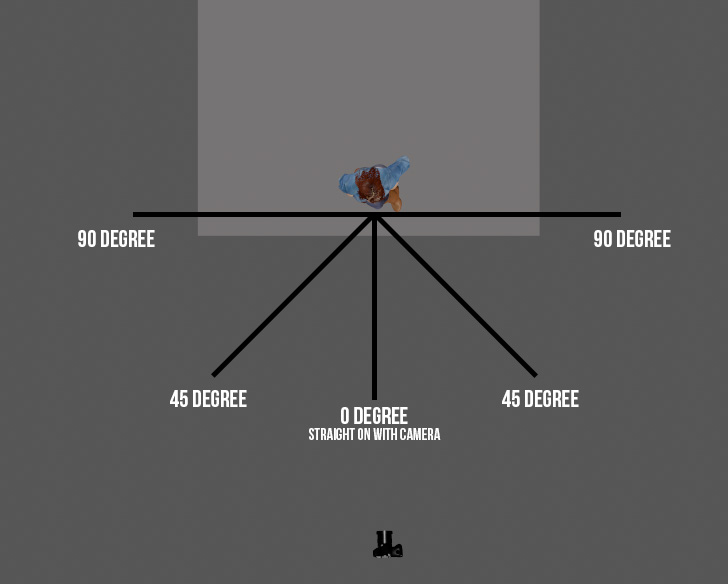
A common professional standard is a 45° key light positioned slightly above eye level. This placement:
- Creates dimension
- Adds natural shadow under cheekbones
- Prevents flat facial rendering
Flat lighting, often seen in volume studios, removes depth and reduces perceived authority.
Feathering and Highlight Control
Professional lighting is rarely pointed directly at the subject. It is feathered—angled slightly off-axis—to soften highlight transitions and control specular reflections on skin.
Catchlight Positioning
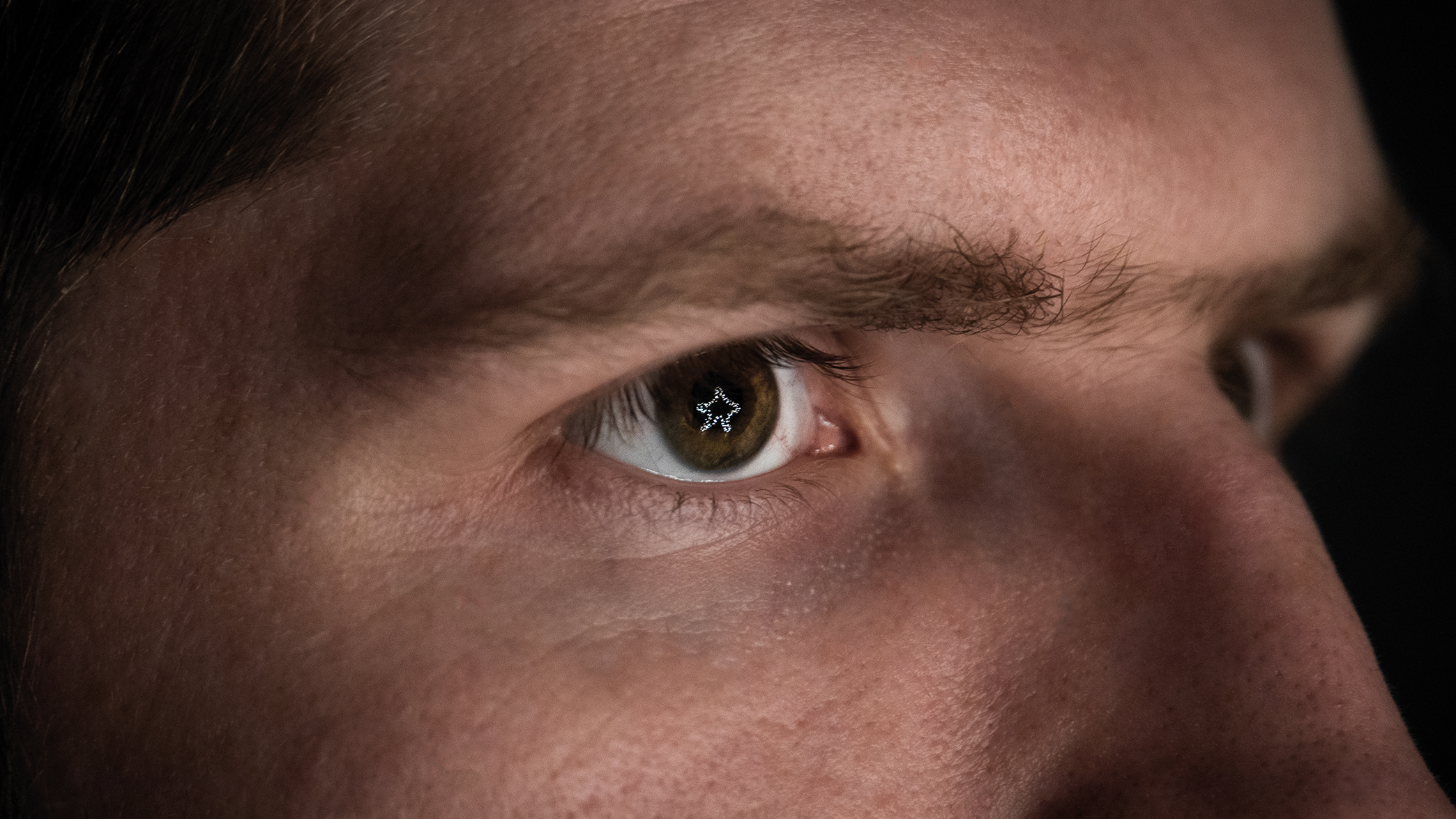
The catchlight in the eyes should sit naturally in the upper iris. It signals vitality and alertness. Poor catchlight placement can make a subject appear tired or disengaged.
Background Separation
A controlled headshot includes subtle background separation:
- Hair light
- Rim light
- Background gradient control
Without separation, subjects blend into the backdrop. With separation, they appear dimensional and grounded.
Lighting is architecture, not illumination.
Sensor Size, Tonal Depth, and File Integrity
Beyond lighting and lens choice lies a more subtle factor: tonal depth.
Professional-grade capture systems offer:
- Greater dynamic range
- Cleaner highlight rolloff
- More accurate skin tone reproduction
- Stronger file resilience in post-production
This matters because headshots require controlled retouching. Files captured with limited dynamic range often break under adjustment—skin tones shift unnaturally, shadows band, and highlights clip prematurely.
Tonal depth preserves realism.
A professional headshot should look refined, not processed.
Expression Engineering
Perhaps the most overlooked component of headshot photography is expression control.
A genuine professional expression is rarely spontaneous. It is directed.
Expression coaching involves:
- Subtle chin projection to define the jawline
- Micro-adjustments in eye tension
- Relaxation of the brow
- Controlled shoulder positioning
- Verbal cues that produce authentic reactions
A slight shift in posture can transform perceived confidence. A small adjustment in eye focus can change the emotional tone entirely.
The difference between average and exceptional headshots is often measured in millimeters and microseconds.
Idaho’s Business and Creative Landscape
Headshot photography in Idaho carries unique context.
The state’s professional community includes:
- Corporate leaders and executives
- Legal and medical professionals
- Agricultural and manufacturing innovators
- Commercial and theatrical talent
- Entrepreneurs and startup founders
Each industry carries its own visual expectations.
A law firm headshot differs from a commercial actor’s headshot. A healthcare professional requires a different tone than a real estate broker. Environmental context, wardrobe selection, and lighting mood must reflect industry standards.
Idaho’s environmental conditions also influence production decisions:
- High-altitude sun can create harsh shadows
- Snow reflection can introduce unintended fill light
- Outdoor conditions shift rapidly
Controlled lighting eliminates unpredictability and ensures consistency.
Professional standards demand reliability.
Retouching Standards and Integrity
Retouching should refine—not replace—the subject.
Professional headshot retouching typically includes:
- Skin texture balancing
- Temporary blemish removal
- Under-eye softening
- Color balance correction
- Minor wardrobe cleanup
It does not include:
- Artificial skin smoothing
- Facial reshaping
- Over-whitening teeth
- Plastic-like texture removal
Authenticity builds trust. Over-retouching erodes it.
A strong headshot should look like the best version of the subject—not a different person.
Common Technical Mistakes in Headshot Photography
Even experienced photographers can fall into predictable errors:
- Shooting too wide and introducing distortion
- Relying entirely on natural light
- Ignoring background tonal harmony
- Allowing posture collapse
- Over-directing until expression becomes forced
Technical competence must support emotional authenticity.
A professional headshot is controlled—but never stiff.
Professional Standards vs. Volume Production
There is a distinction between controlled professional headshot production and high-volume photography sessions.
Volume sessions prioritize speed. Professional sessions prioritize precision.
Professional headshot production involves:
- Pre-session consultation
- Industry positioning discussion
- Controlled lighting setup
- Directed expression refinement
- Careful image selection
- Thoughtful retouching
The goal is not quantity. It is alignment with professional identity.
The Art and Responsibility of Representation
A headshot is often the first introduction in a business relationship.
It appears on:
- Company websites
- LinkedIn profiles
- Marketing materials
- Press releases
- Casting submissions
- Corporate directories
It communicates before words are exchanged.
The art of Idaho headshot photography is rooted in responsibility. The image must represent the subject accurately, confidently, and professionally within their industry context.
Precision matters.
Consistency matters.
Standards matter.
Final Thoughts
Headshot photography is not simply portraiture at a closer crop. It is a disciplined practice requiring technical understanding, lighting control, lens mastery, and expression direction.
In Idaho’s competitive and growing professional environment, expectations continue to rise. The difference between a casual image and a professional headshot lies in the details—details that are engineered, not improvised.
The art of headshot photography is measured not by how many images are taken, but by how deliberately they are created.
Frequently Asked Questions About Headshot Photography in Idaho
What makes a professional headshot different from a regular portrait?
A professional headshot is engineered for representation. It involves controlled lighting, appropriate focal length selection, guided expression, posture refinement, and color accuracy. Unlike casual portraits, headshots are designed to align with industry expectations and professional branding standards.
What lens is best for headshot photography?
Professional headshots are typically created using longer focal lengths (85mm–135mm full-frame equivalent). These lenses provide natural facial compression, reduce distortion, and maintain flattering proportions. Wide lenses can subtly distort facial features and are rarely appropriate for professional headshot work.
Should headshots be taken in natural light or studio lighting?
Natural light can be effective under ideal conditions. However, controlled studio lighting provides consistency, precision, and repeatability. Professional headshot sessions often rely on engineered lighting setups to shape facial structure and ensure predictable results regardless of weather conditions.
How much retouching should a professional headshot include?
Retouching should refine, not alter. Standard professional retouching includes color correction, minor blemish removal, and subtle skin balancing. Over-retouching that removes texture or reshapes features can reduce authenticity and professional credibility.
How long does a professional headshot session take?
A structured headshot session typically ranges from 20 minutes to one hour depending on wardrobe changes, lighting variations, and the level of direction required. Corporate team productions may follow a staged workflow for efficiency while maintaining quality standards.
Are professional headshots tax deductible in Idaho?
For many business professionals, headshots may qualify as a marketing or business expense. Individuals should consult a tax professional for guidance based on their specific situation.
Contact Us
Connect with us today to experience exceptional headshot photography services! Serving the entire Treasure Valley and beyond, we are dedicated to meeting your photography needs wherever you are in Idaho. Our team is here to assist you in Boise, Caldwell, Meridian, Nampa, or any other part of the Treasure Valley region.
Contact us effortlessly using the form below, and our friendly staff will reply promptly. Alternatively, call us at 208-760-6464 to discuss your photography requirements directly.